


Reading Guide / Guía de lectura: This article is bilingual. You will find the Spanish translation below each paragraph, marked in gray italics with a side line. / Encontrarás la traducción al español debajo de cada párrafo, marcada en cursiva gris.
Before we dive into the article, I want to introduce you to Tony Reddington. Tony is a great friend who has been giving me (Dary) photography lessons to improve this project and help me professionalize my skills as much as I can (lol). This blog is an open space for anyone to share their sentipensares (feelings and thoughts) with almost no editorial line, except when touching on "swampy subjects" (for now). Follow his work on Instagram: @redto62.
Antes de sumergirnos en el artículo, quiero presentarles a Tony Reddington. Tony es un gran amigo que me ha estado dando clases de fotografía a mí (Dary) para mejorar este proyecto e irme profesionalizando en lo que pueda (lol). Este blog es un espacio abierto para que cualquiera comparta sus sentipensares con casi ninguna línea editorial, excepto al tocar "temas pantanosos" (por el momento). Sigue su trabajo en Instagram: @redto62.
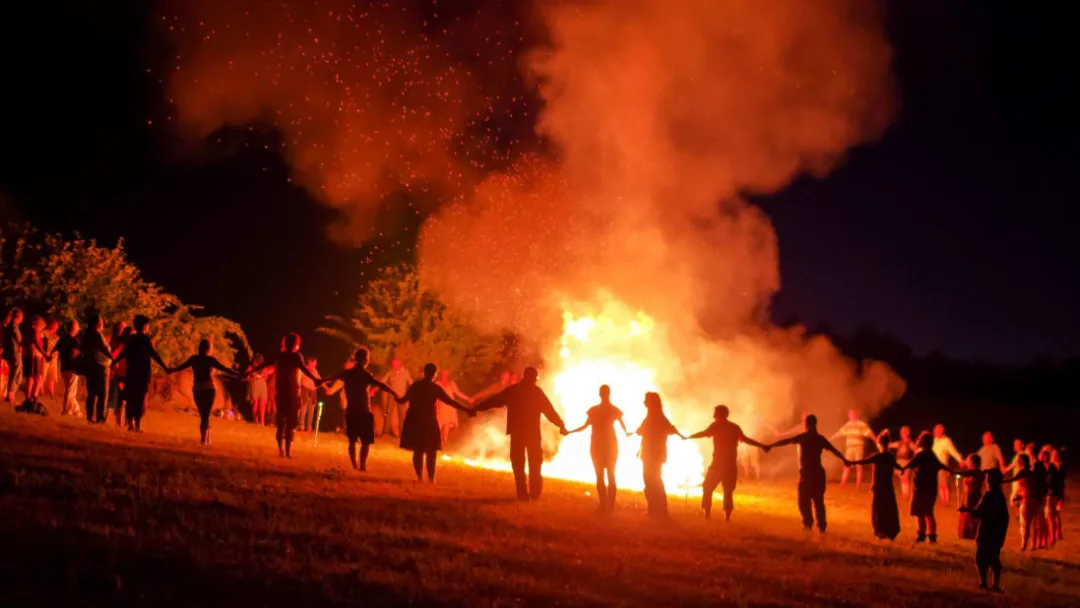
Both Día de Muertos and Samhain are ancient traditions that honor and remember the dead, but they have distinct origins, practices, and cultural meanings. While one is a vibrant, celebratory event and the other a more solemn, ancient festival, both are rooted in the belief that the veil between the living and the dead thins at a specific time of the year.
Tanto el Día de Muertos como Samhain son antiguas tradiciones que honran y recuerdan a los difuntos, pero tienen orígenes, prácticas y significados culturales distintos. Mientras una es un evento vibrante y festivo y la otra un festival ancestral más solemne, ambas se basan en la creencia de que el velo entre los vivos y los muertos se hace más delgado en una época específica del año.
Origins and History
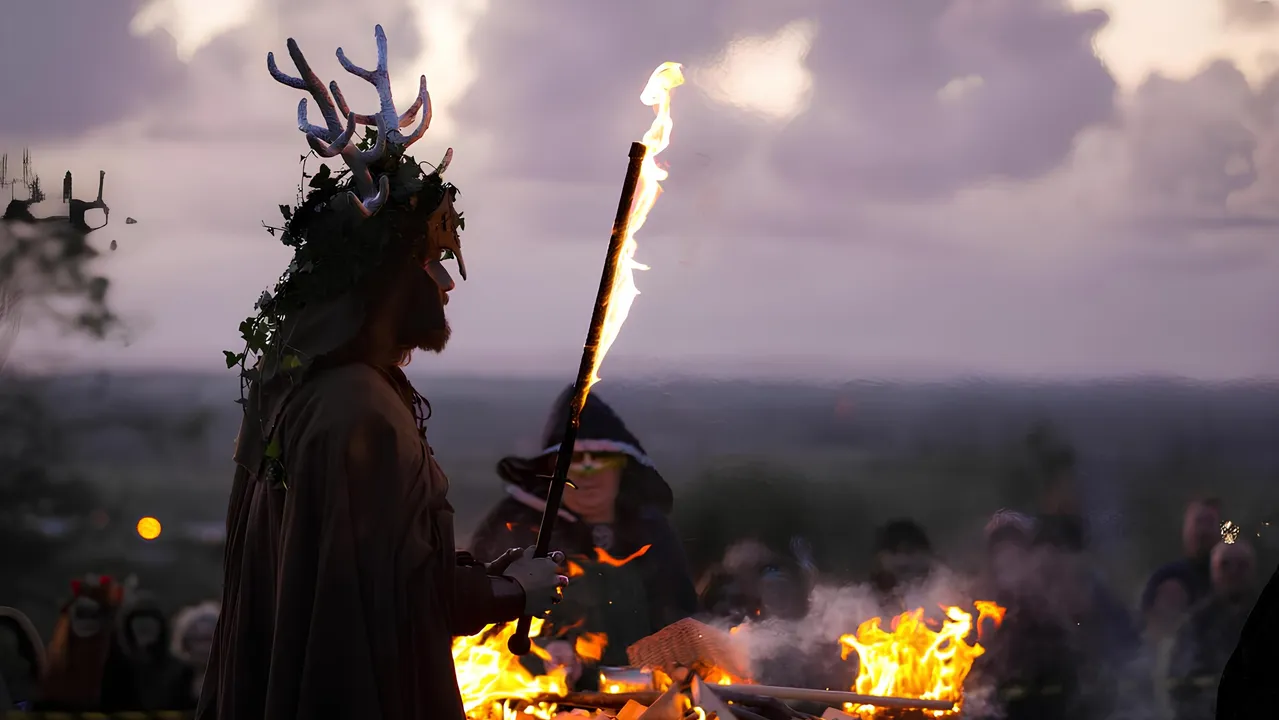
Both Samhain and Día de Muertos have pre-Christian roots. Samhain, pronounced "SOW-in," is an ancient Celtic festival marking the end of the harvest season and the beginning of winter. The Celts believed that on the night of October 31st, the boundary between the living and the dead blurred, allowing spirits to cross over. People would light bonfires to ward off evil spirits and leave food offerings for the good ones. This festival is the direct precursor to modern Halloween.
Tanto Samhain como el Día de Muertos tienen raíces precristianas. Samhain, pronunciado "SOW-in", es un antiguo festival celta que marca el final de la temporada de cosecha y el comienzo del invierno. Los celtas creían que en la noche del 31 de octubre, el límite entre los vivos y los muertos se desdibujaba, permitiendo que los espíritus cruzaran. La gente encendía hogueras para ahuyentar a los malos espíritus y dejaba ofrendas de comida para los buenos. Este festival es el precursor directo del Halloween moderno.
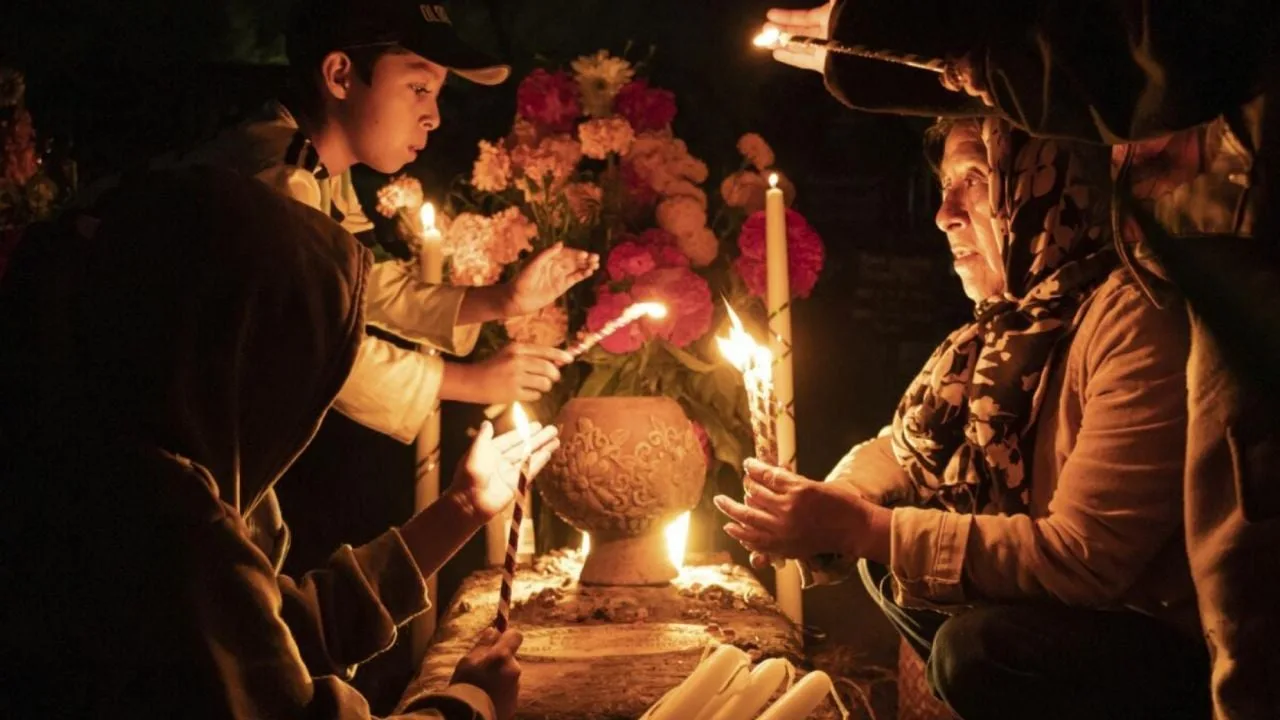
Día de Muertos (Day of the Dead) has its origins in ancient Mesoamerican traditions, specifically the Aztec festival dedicated to the goddess Mictecacihuatl. This celebration, which was originally held in the summer, was moved by Spanish conquistadors to coincide with the Catholic holidays of All Saints' Day and All Souls' Day (November 1st and 2nd). This syncretism resulted in the unique blend of indigenous rituals and Catholic beliefs that we see today. Oaxaca, Mexico, in particular, is renowned for its elaborate and deeply traditional celebrations.
El Día de Muertos tiene sus orígenes en antiguas tradiciones mesoamericanas, específicamente en el festival azteca dedicado a la diosa Mictecacihuatl. Esta celebración, que originalmente se llevaba a cabo en verano, fue movida por los conquistadores españoles para coincidir con las festividades católicas del Día de Todos los Santos y el Día de los Fieles Difuntos (1 y 2 de noviembre). Este sincretismo resultó en la mezcla única de rituales indígenas y creencias católicas que vemos hoy en día. Oaxaca, México, en particular, es famosa por sus celebraciones elaboradas y profundamente tradicionales.
Key Practices and Traditions
Both traditions involve preparing for the return of the dead, but the ways they do so differ significantly.
Ambas tradiciones implican prepararse para el regreso de los muertos, pero las formas en que lo hacen difieren significativamente.
